Masoor Dal: Benefits, Nutrition, and Why the Quality of Your Lentil Matters
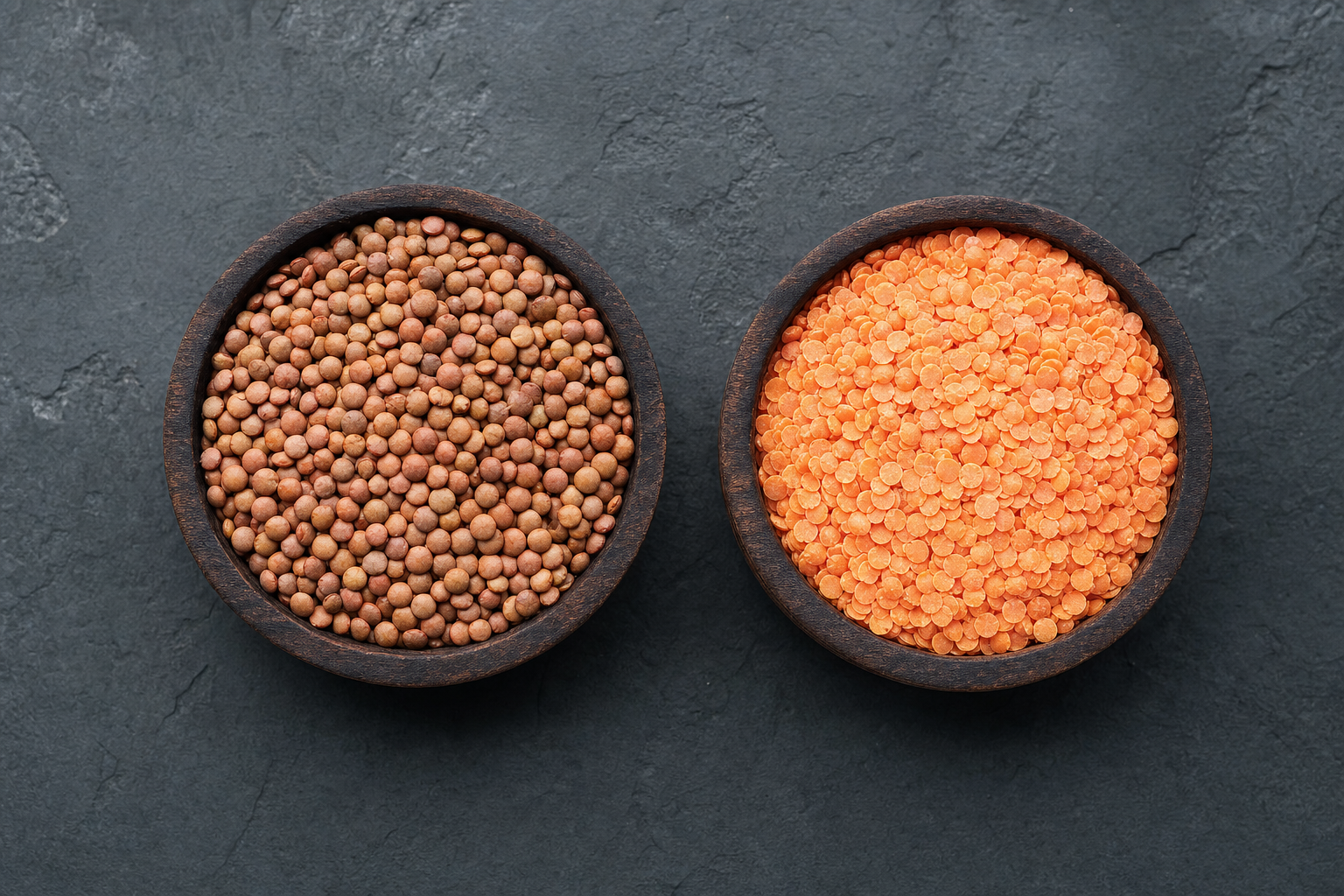
Masoor dal is probably sitting in your kitchen right now. It has been sitting in Indian kitchens for centuries: quick to cook, easy on the stomach, endlessly versatile, and quietly delivering a remarkable nutritional punch. Yet most of us have never stopped to think about whether the masoor dal in our pantry is actually good masoor dal. This guide covers everything worth knowing: the nutritional profile, the real health benefits, the difference between whole and split lentils, how to cook them well, and, crucially, what to look for when choosing a premium, unpolished variety.
Nutritional Profile of Masoor Dal
Masoor dal (red lentils, Lens culinaris) is one of the most nutrient-dense staples in Indian cooking. A 100 g dry serving provides roughly:
| Nutrient | Amount (per 100 g dry) |
|---|---|
| Calories | ~353 kcal |
| Protein | ~25 g |
| Dietary Fibre | ~11 g |
| Iron | ~7 mg |
| Folate | ~479 mcg |
| Potassium | ~677 mg |
| Carbohydrates | ~60 g |
| Fat | ~1 g |
These numbers make masoor dal one of the more protein-rich plant foods available at an everyday price point. The fibre content, both soluble and insoluble, is what makes lentils genuinely different from more refined carbohydrate sources. Folate levels are particularly notable: a single serving can cover a substantial portion of the daily requirement, which is why masoor dal is frequently recommended during pregnancy.
Masoor also provides zinc, magnesium, and B vitamins including thiamine (B1) and B6. The iron is non-haem iron; pairing it with a vitamin C source (tomatoes, amla, lemon juice) improves absorption considerably.
Health Benefits of Masoor Dal
Supports Heart Health
The combination of soluble fibre, potassium, and folate in masoor dal creates a meaningful profile for cardiovascular support. Soluble fibre may help manage LDL cholesterol levels, while potassium supports healthy blood pressure. Folate helps reduce homocysteine, an amino acid associated with increased cardiovascular risk at elevated levels. Regular consumption of legumes, including red lentils, is associated with improved lipid profiles in several large dietary studies.
Helps Manage Blood Sugar
Masoor dal has a low glycaemic index (GI around 21–30), meaning it raises blood sugar gradually rather than sharply. The fibre slows digestion and the protein-to-carbohydrate ratio helps moderate the post-meal glucose response. This makes it a practical food choice for those managing type 2 diabetes or insulin resistance: though it should complement, not replace, medical guidance.
Rich Plant-Based Protein
For vegetarian and vegan households, which describes a large portion of Indian families, masoor dal is a reliable daily protein source. The protein quality improves further when paired with rice or roti, as the combined amino acid profiles are more complete than either food alone. Athletes, growing children, and elderly adults with higher protein needs all benefit from including masoor dal regularly.
Gut Health and Digestion
The insoluble fibre in masoor dal acts as a prebiotic, feeding beneficial bacteria in the colon. Regular legume consumption is associated with greater microbial diversity in the gut microbiome, a marker increasingly linked to overall health. For those new to high-fibre eating, it is worth starting with moderate portions and building up, as a sudden increase in legume intake can cause temporary gas and bloating.
Iron and Energy Levels
Iron deficiency anaemia remains prevalent in India, particularly among women and children. Masoor dal’s iron content makes it a practical dietary addition for those looking to support healthy haemoglobin levels. Cooking in an iron vessel or adding a squeeze of lime to the finished dal further enhances iron availability.
Sabut vs Dhuli Masoor: Which Should You Choose?
This is one of the most practical questions for anyone buying masoor dal, and the answer depends on both nutrition and cooking preference.
Sabut masoor (whole masoor): The whole lentil with its skin intact. The skin contains additional fibre, iron, and antioxidant compounds. It takes longer to cook (30–40 minutes without soaking), has a more robust, earthy flavour, and holds its shape better. Ideal for thick dals, salads, and dishes where texture matters. You can shop Aplus Whole Masoor Dal for a premium unpolished version.
Dhuli masoor (split and hulled masoor): The orange-red lentil most commonly seen. The skin has been removed, making it cook in 15–20 minutes. Slightly lower in fibre than sabut masoor but still a nutritionally dense ingredient. Ideal for everyday dal, soups, and dishes where a smoother consistency is preferred. The Aplus Masoor Dal is unpolished and free from artificial brighteners.
For maximum nutritional benefit, rotating between both varieties is a sound approach.
Why Unpolished Masoor Dal Matters
Here is something most consumers don’t know: commercially sold masoor dal is often polished using water, oil, or in some cases industrial-grade silicones and coatings to create a uniform, attractive sheen. Polishing removes the outer bran layer, which is precisely where much of the fibre, micronutrients, and phytonutrients are concentrated.
Unpolished masoor dal is dull in appearance, and that is a good sign, not a flaw. The natural matte surface indicates the bran layer is intact. Nutritionally, unpolished masoor retains higher levels of dietary fibre, B vitamins, and minerals. It also cooks more predictably and has a cleaner, more authentic flavour.
When you buy from a brand that prioritises unpolished sourcing, verified by certifications like FSSC 22000, US FDA registration, and HACCP compliance, you know the product has been handled and processed with food-safety rigour at every stage. The Healthy House range at Aplus Foods is built on exactly this principle: traditional staples, processed clean.
How to Spot Premium Masoor Dal
A few quick checks at purchase time:
- Colour: Dull, natural earthy red or brown-red. Artificially bright or uniform orange tones can indicate polishing or dyeing.
- Skin adherence (sabut): In whole masoor, the skin should cling naturally to the grain. Easy peeling suggests chemical processing.
- Uniformity: Premium sorting means consistent grain size without excessive broken pieces or stones.
- Packaging: Look for airtight, food-grade packaging with clear sourcing and processing information. Certifications matter here.
- Residue: Rub a few grains between your fingers. Unpolished dal leaves no oily or waxy residue.
3 Masoor Dal Recipes Worth Making
1. Classic Masoor Dal Tadka
Cook 1 cup dhuli masoor with turmeric and salt until soft. Prepare a tadka of ghee, cumin, garlic, dried red chilli, and a pinch of hing. Pour over the dal, finish with fresh coriander and lemon juice. Serve with roti or rice. Ready in 25 minutes.
2. Sabut Masoor Curry
Soak 1 cup whole masoor for 4 hours. Pressure-cook with onion, tomato, ginger-garlic paste, coriander powder, and garam masala. The whole lentils give the curry body and a pleasant chew. This pairs well with jeera rice or paratha.
3. Masoor Dal Soup
Lightly sauté onion, garlic, and cumin in olive oil. Add rinsed dhuli masoor, diced tomatoes, and vegetable stock. Simmer until smooth, add a squeeze of lemon. This is a practical, filling weeknight meal that stores well in the fridge for three days.
FAQ
Q: Is masoor dal good for weight loss? A: Masoor dal is high in protein and fibre, both of which support satiety, the feeling of fullness after eating. Substituting refined carbohydrates with lentil-based meals is associated with lower calorie intake over the day. It is a practical, filling food, though no single ingredient is a weight-loss solution.
Q: Can I eat masoor dal every day? A: Yes, for most people. Indian dietary guidelines regularly include lentils as a daily protein source. If you have kidney disease or are advised to limit potassium or phosphorus, consult your doctor about portion sizes.
Q: What is the difference between masoor dal and red lentils? A: They are the same lentil. “Masoor” is the Hindi/Punjabi name; “red lentils” is the common English label used on international packaging. Both refer to Lens culinaris.
Q: How long should I soak masoor dal before cooking? A: Dhuli masoor doesn’t require soaking and cooks in 15–20 minutes. Sabut masoor benefits from 4–6 hours of soaking, which reduces cooking time and improves digestibility.
Q: How do I store masoor dal at home? A: Store in an airtight container in a cool, dry place away from direct sunlight. Properly stored, it keeps well for 12–18 months. Avoid damp environments, which encourage moisture absorption and may introduce insects.
Ready to Upgrade Your Dal?
The difference between a nutritionally intact, unpolished masoor dal and a polished, processed one is real: and it shows up in flavour, texture, and what your body actually absorbs. Explore the Aplus Masoor Dal and Aplus Masoor Whole at store.aplus.food/shop/, sourced and processed to the standards of FSSC 22000, US FDA, and HACCP certification. Quality you can see, taste, and trust, from a family that has been doing this since 1958.
Premium pulses, dry fruits and more
Shop heritage Aplus Foods products. Free shipping above ₹999. FSSC 22000 · US FDA · HACCP certified.
Browse the Shop →