JAGGERY & SUGAR ALTERNATIVES
Sulphur-free jaggery, the way Punjab kolhus have always made it.
Jaggery powder, khand bura, mishri, nakul dana — cane crushed and boiled without chemical bleach or sulphur additive.
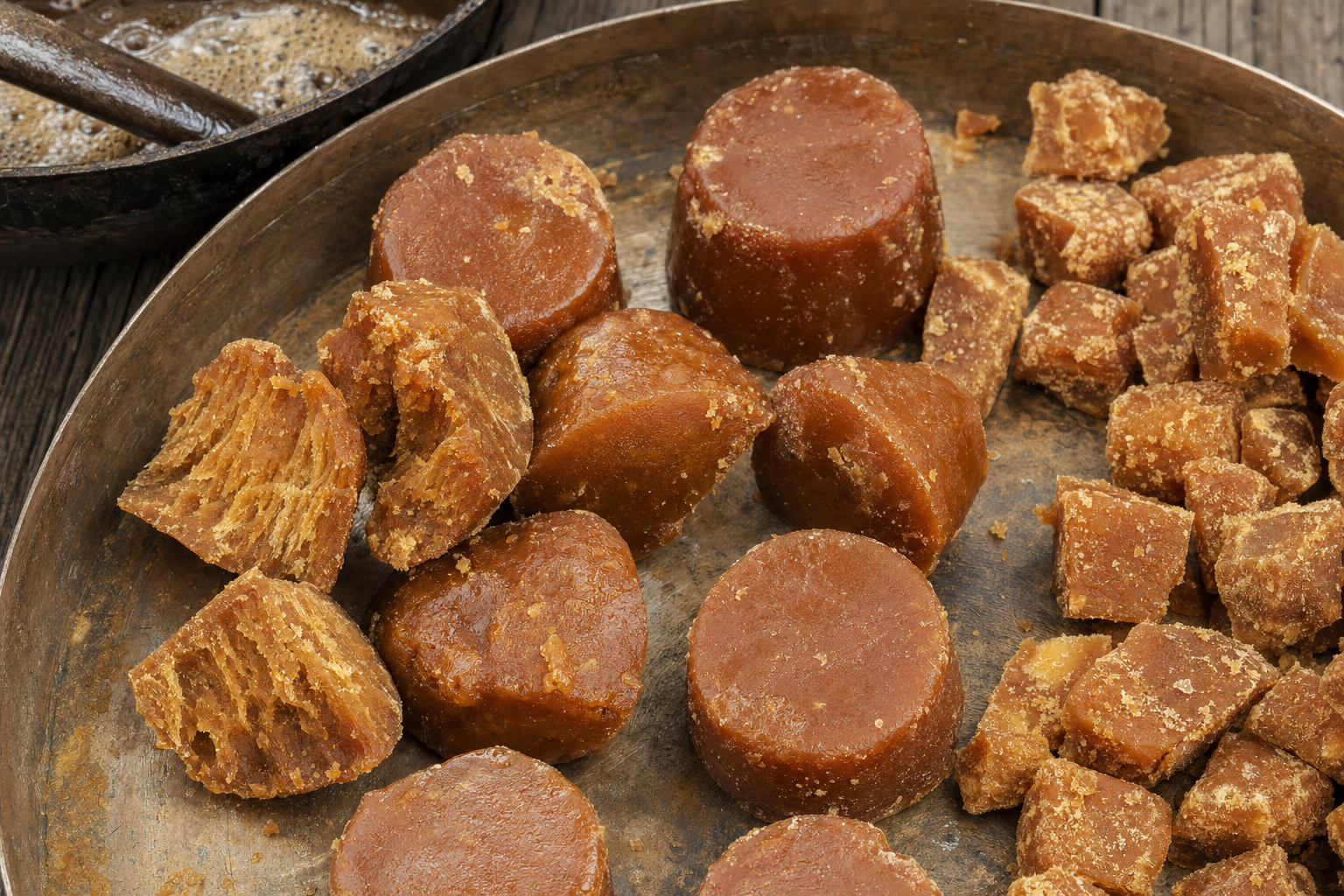
Jaggery powder, khand bura, mishri, nakul dana — cane crushed and boiled without chemical bleach or sulphur additive.
Most commercially-sold jaggery in India is sulphur-treated during the clarification stage — sulphur dioxide is added to lift colour and make the finished blocks look lighter and more uniform. It works for retail appearance, but the residual sulphur carries through into the finished product, and enough people have moved away from it in recent years that "sulphur-free" is now a genuine buying criterion, not marketing language.
The Healthy House jaggery is made in small Punjab kolhus (traditional cane crushers) using the older clarification method — the boiling syrup is skimmed and settled without added sulphur, so the finished jaggery is a darker gold or amber colour and carries the natural caramel note that sulphur bleaches out. It's less photogenic on a shelf and more honest in a cup of chai.
How jaggery is made, sulphur vs sulphur-free clarification, storage, and using jaggery in daily cooking.
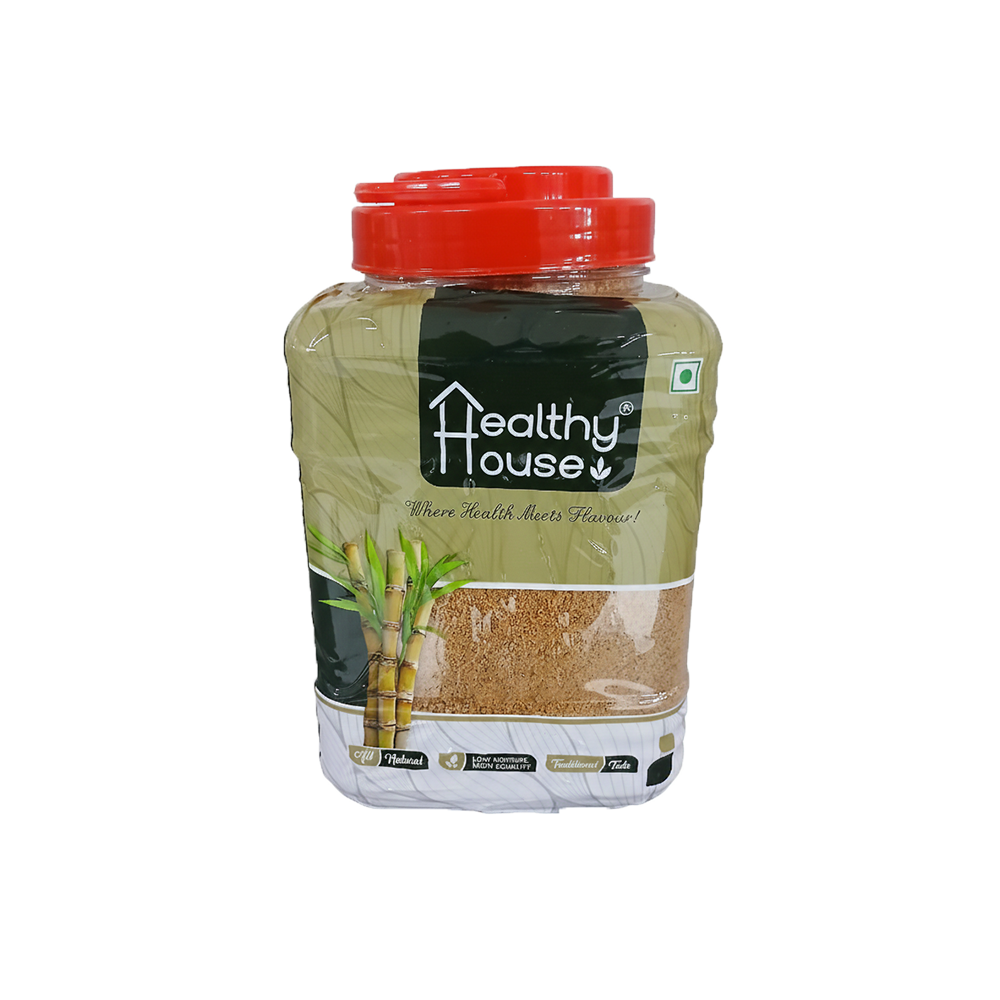
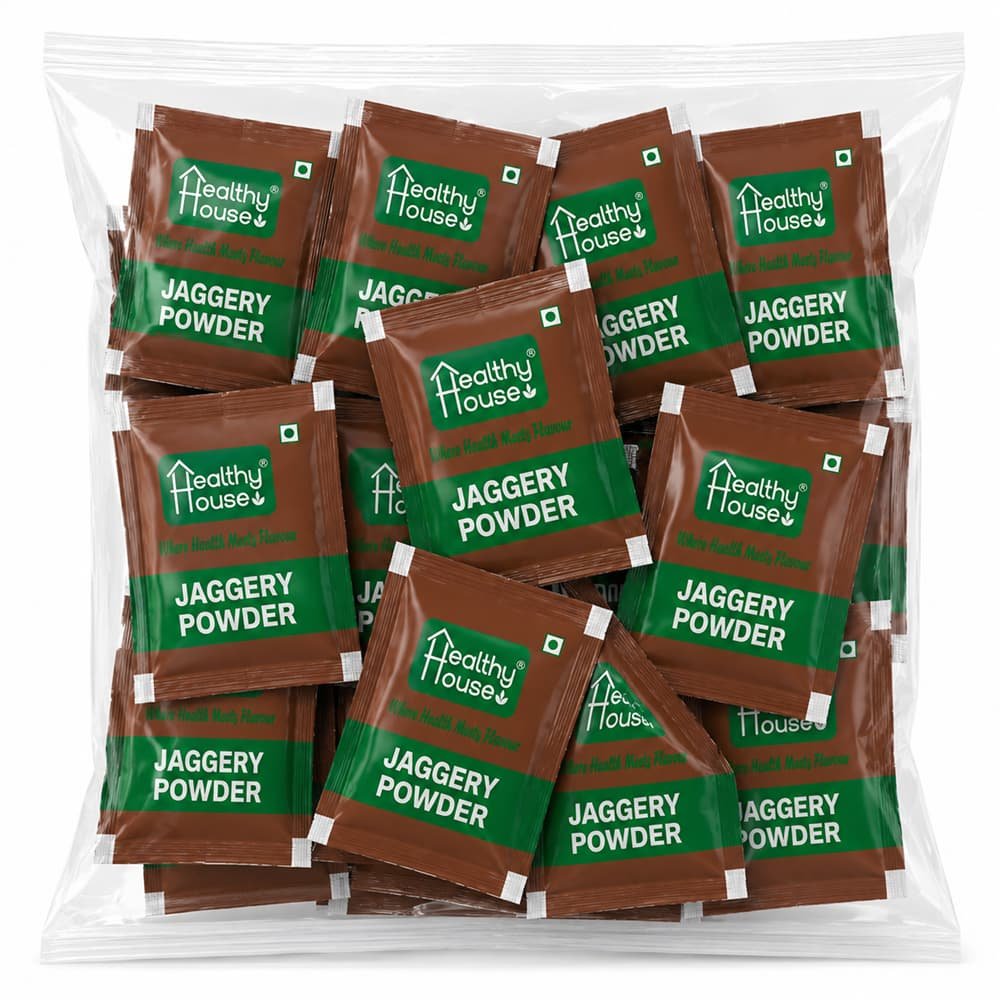
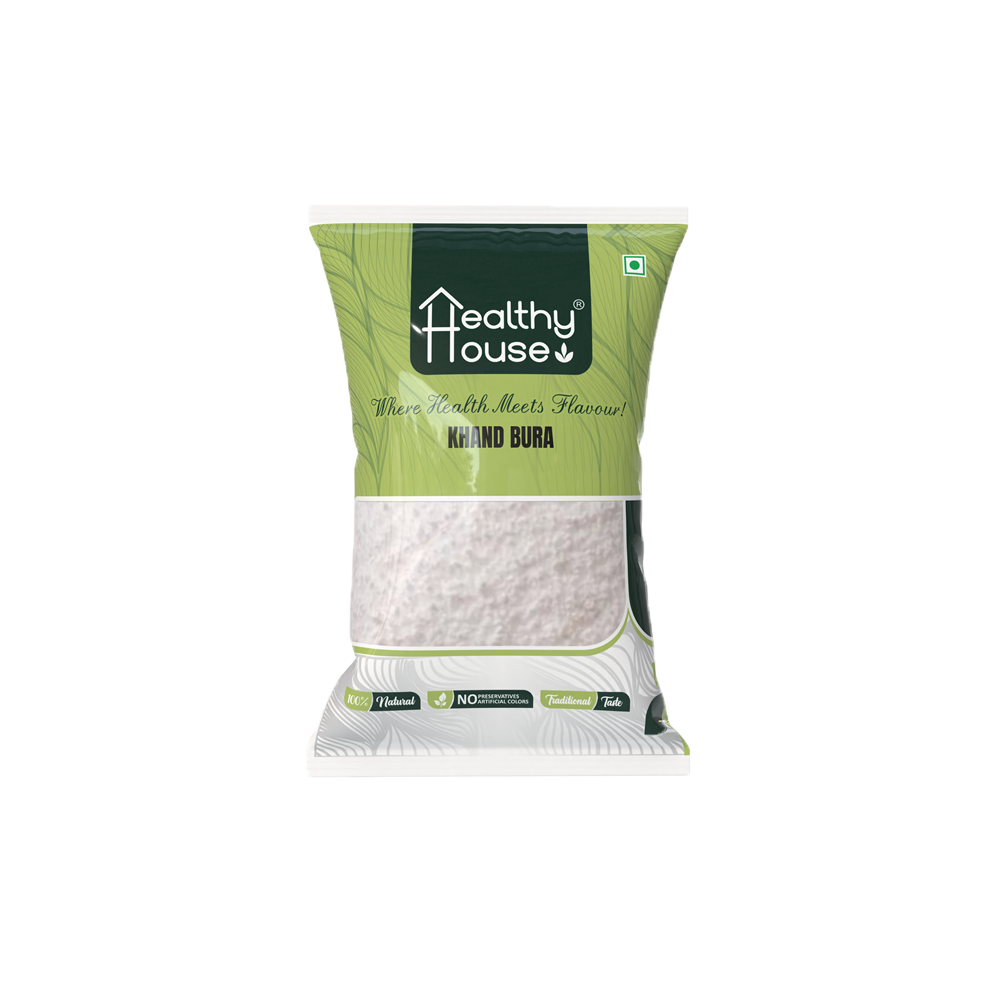
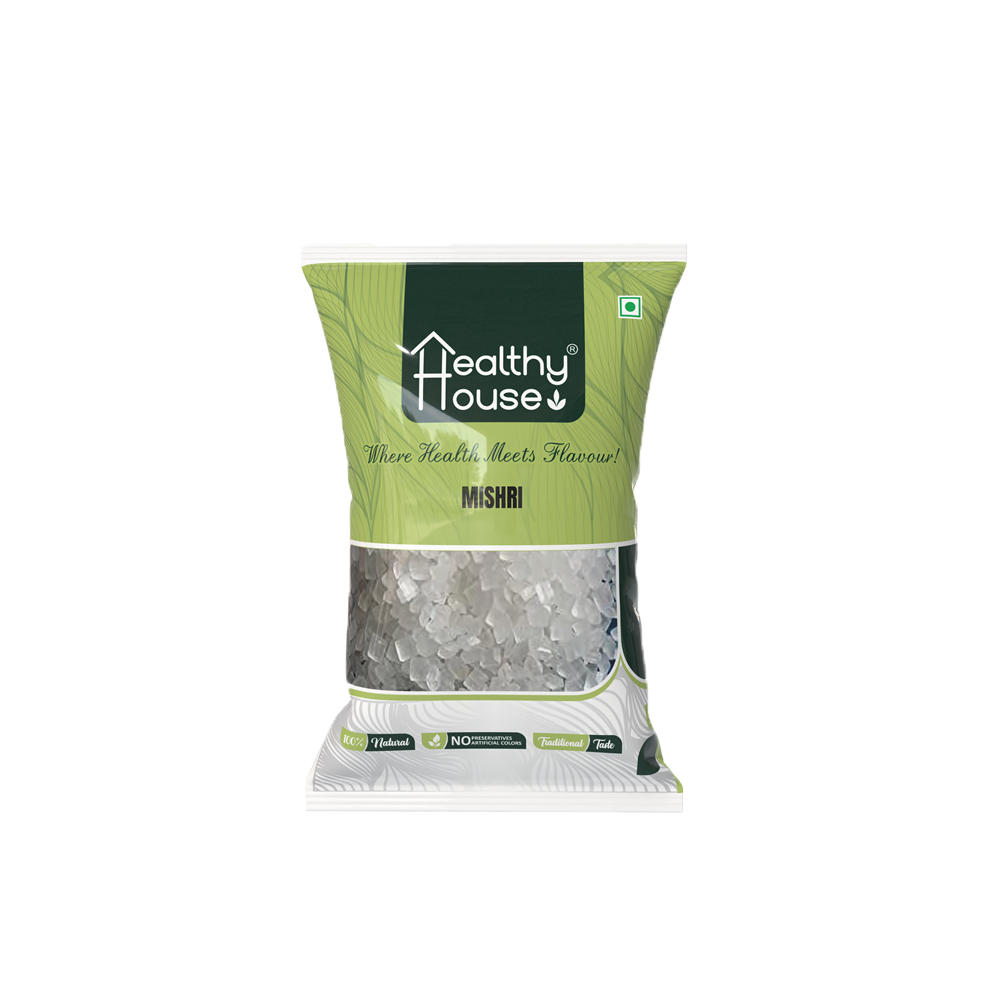
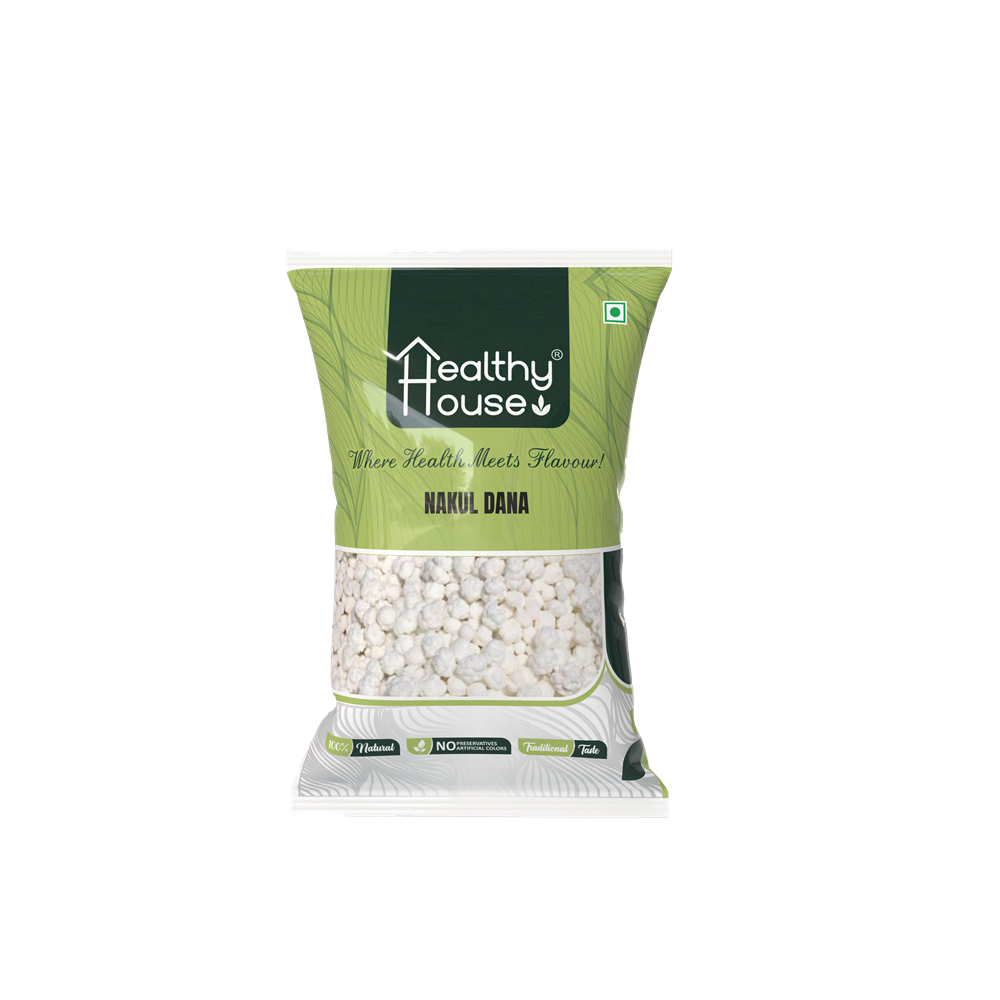
Read the full guide →The Healthy House jaggery range covers powder (the everyday tea and dessert form), whole blocks (for slow use), khand bura (unrefined crystal sugar — an older alternative to white sugar), mishri (rock sugar), and nakul dana (small pearl sugar for garnish and prasad). All sulphur-free. Stored in airtight food-grade steel or glass — jaggery is hygroscopic and softens fast in humid weather.
Every SKU is sortex-cleaned, packed under FSSC 22000 and dispatched from Punjab.
Every batch is milled and packed to global food-safety standards. Traceable, tested, dispatched from a certified facility in Punjab.
Optical-sorted for stones, dust and off-colour grain. No polish coats, no artificial glaze. What you see is what settles in the pot.
Four generations of the Arora family from Nawanshahr, Punjab. We source, mill and pack — no middlemen between the field and your kitchen.
Colour is the giveaway. Sulphur-treated jaggery is uniformly pale yellow or cream; sulphur-free jaggery ranges from deep gold to amber, with slight batch-to-batch variation. A very uniform, light-yellow block from a supermarket is almost always sulphur-treated, regardless of label claims.
Airtight glass or food-grade steel, kept in a cool cabinet away from the stove. Jaggery pulls in moisture aggressively — even a few days in an open bag will turn it sticky. Powdered jaggery is more forgiving than block form because it's already been dried further.
In tea, coffee, sweet dishes, kheer, chai, gud ki roti and most Indian desserts — yes, one-to-one by weight. In Western baking (cakes, cookies, bread) jaggery adds moisture and caramel notes and can subtly change texture; reduce liquid slightly to compensate. In coffee, jaggery has a stronger taste than sugar — some people prefer it, some don't.
Premium jaggery & sugar alternatives from Aplus Foods. Free shipping on orders above ₹999.
Browse the Aplus Store →