PULSES & LENTILS
Unpolished pulses, milled the way they should be.
Masoor, chana, moong, toor — sortex-cleaned, unpolished, packed in Punjab. Everyday dal, done right.
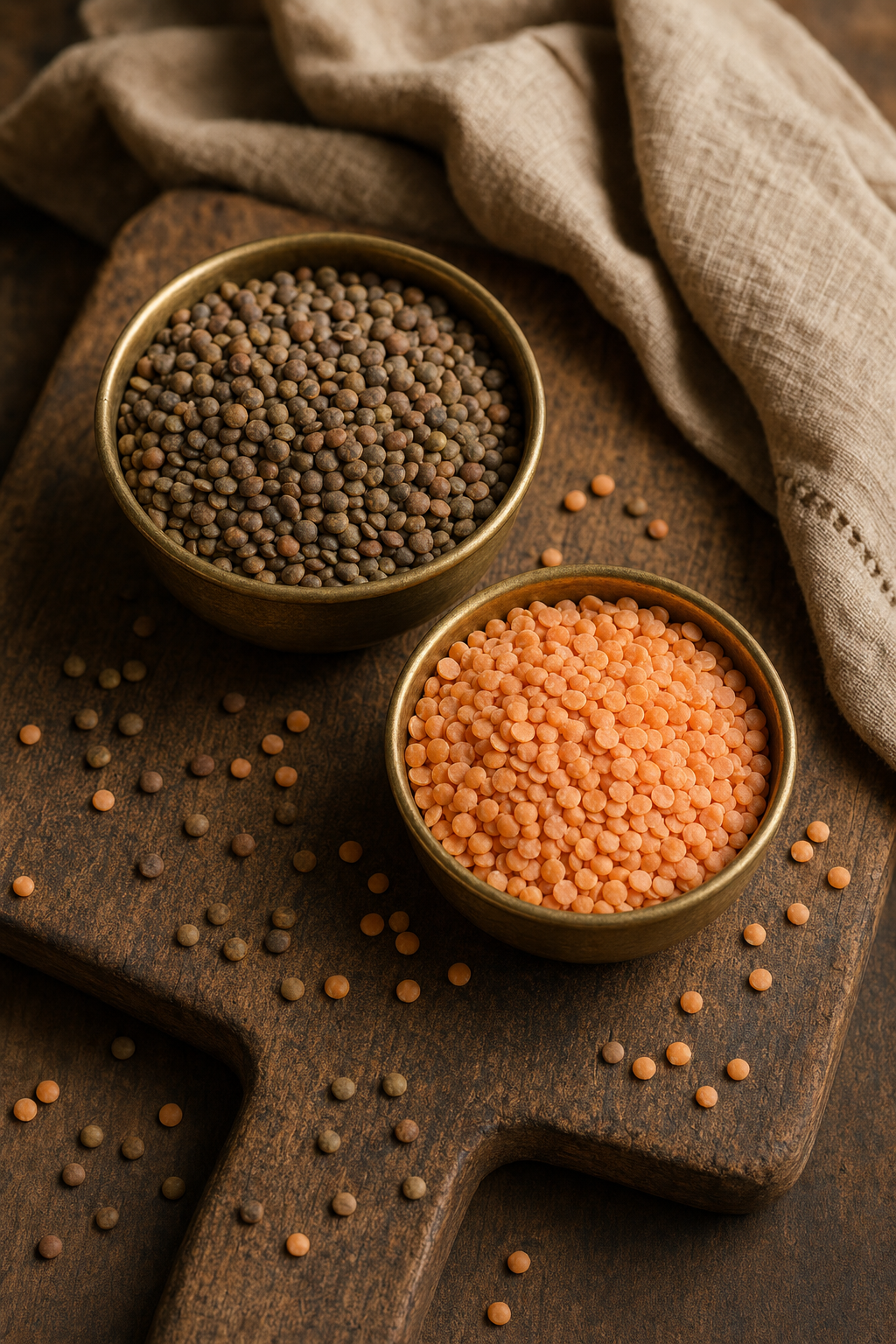
Masoor, chana, moong, toor — sortex-cleaned, unpolished, packed in Punjab. Everyday dal, done right.
India eats more pulses than any other country on earth, yet most of what reaches urban kitchens has been polished — coated with water, oil, or leather buff to look brighter on the shelf. The polish adds nothing nutritionally; it hides the natural variation that comes with an agricultural product and, in the case of oil polish, adds a thin film of fat you didn't ask for. Once you cook a bowl of dal with unpolished, single-origin lentils, the difference is obvious: the water stays clean, the aroma is more distinct, and the cooked texture is softer without being mushy.
The pulses on this page are all sortex-cleaned — passed through an optical sorter that removes stones, husks, damaged grain and off-colour lentils grain-by-grain — and packed in an FSSC 22000-certified facility in Nawanshahr, Punjab. What you get is what a well-run mill should send out: matte grains, some visible variation in colour, and dal that behaves the way your grandmother's did.
Sabut vs dhuli, Punjabi vs Bengali tadka, adulteration checks, storage, and how India actually cooks masoor.
Read the full guide →The Aplus range covers the daily-cook staples first — masoor dal (sabut and dhuli), chana dal, toor dal, moong dal — plus the less-common pantry items that Indian households routinely reach for: kabuli chana, horse gram (kulath), rajma. All available in 500g and 1kg packs, all from the same milling standard. See the unpolished pulses guide for background on what "unpolished" actually means at the mill.
Every SKU is sortex-cleaned, packed under FSSC 22000 and dispatched from Punjab.
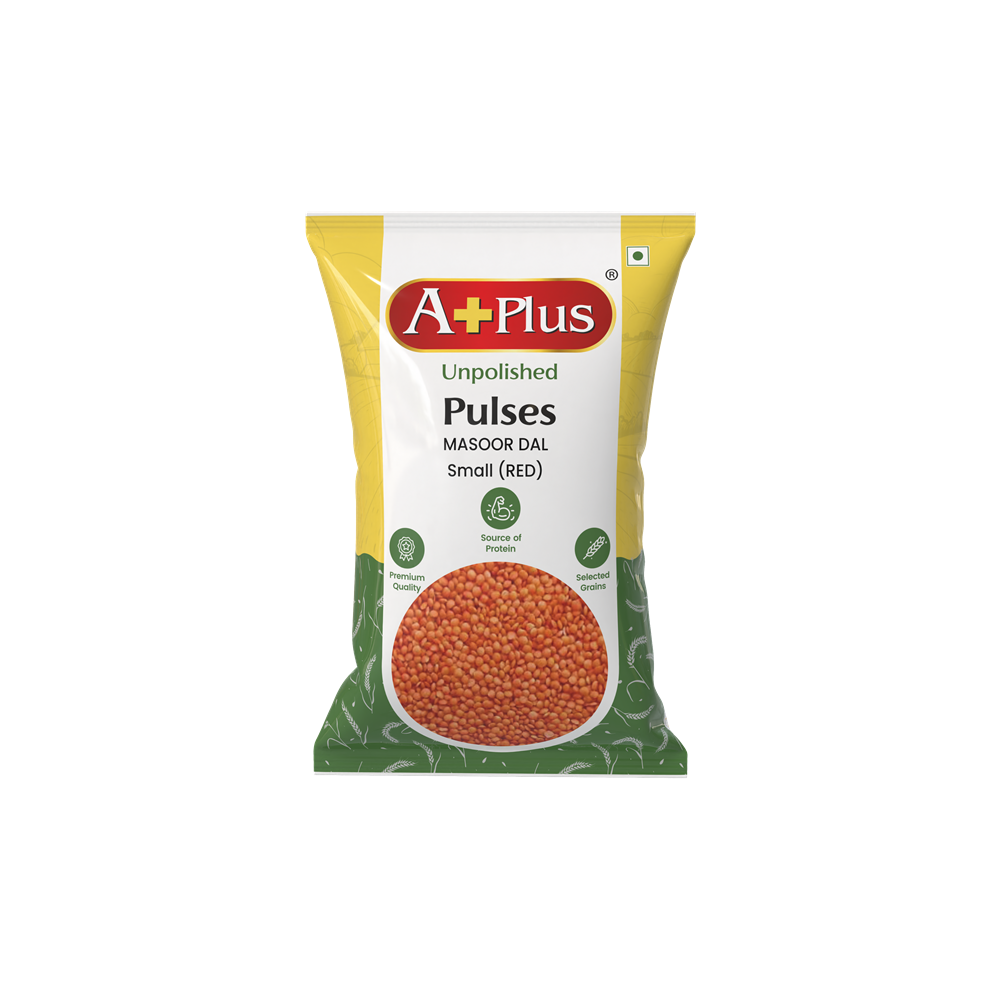
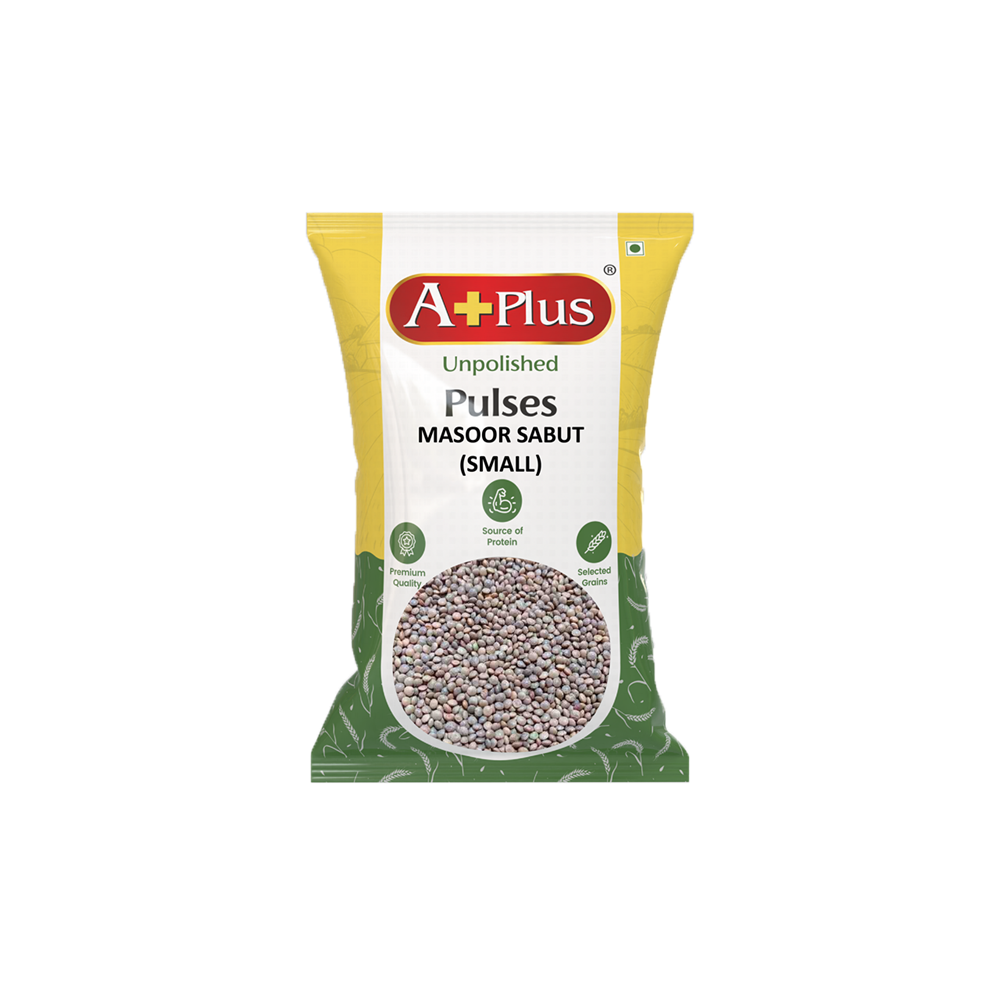

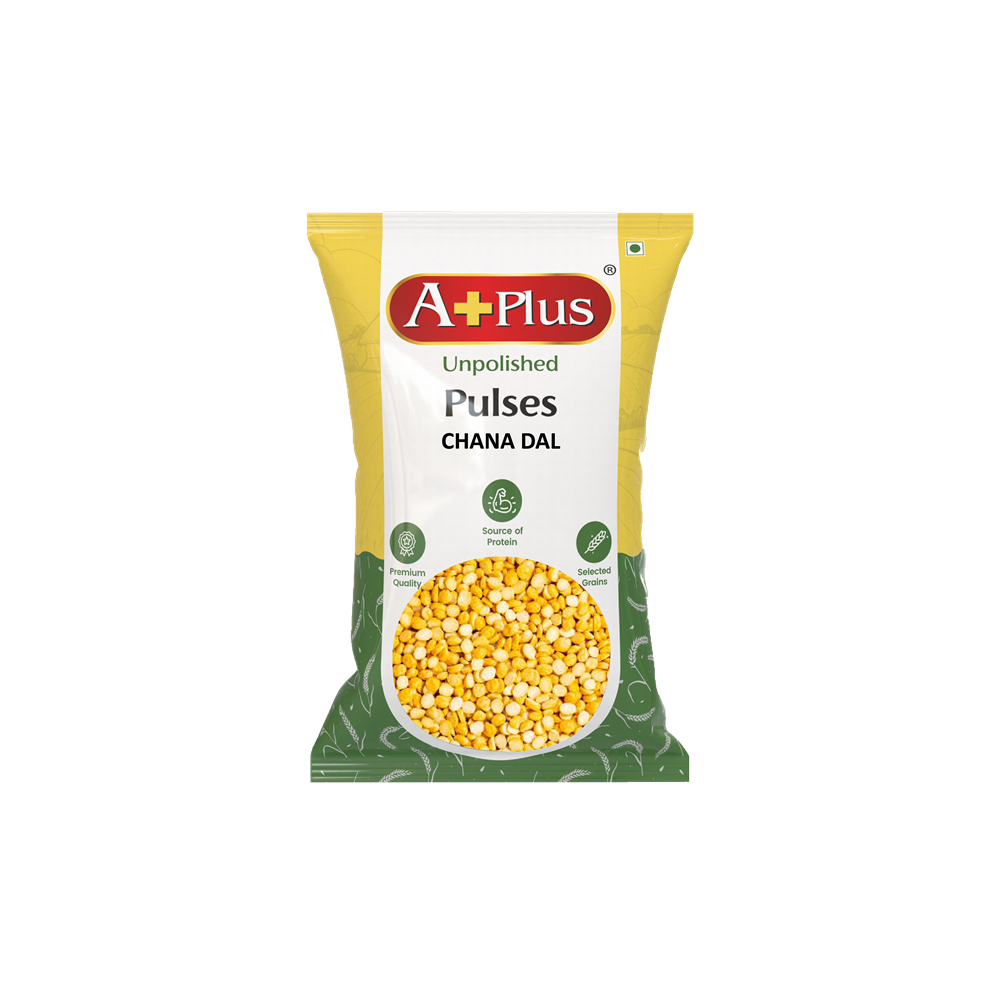
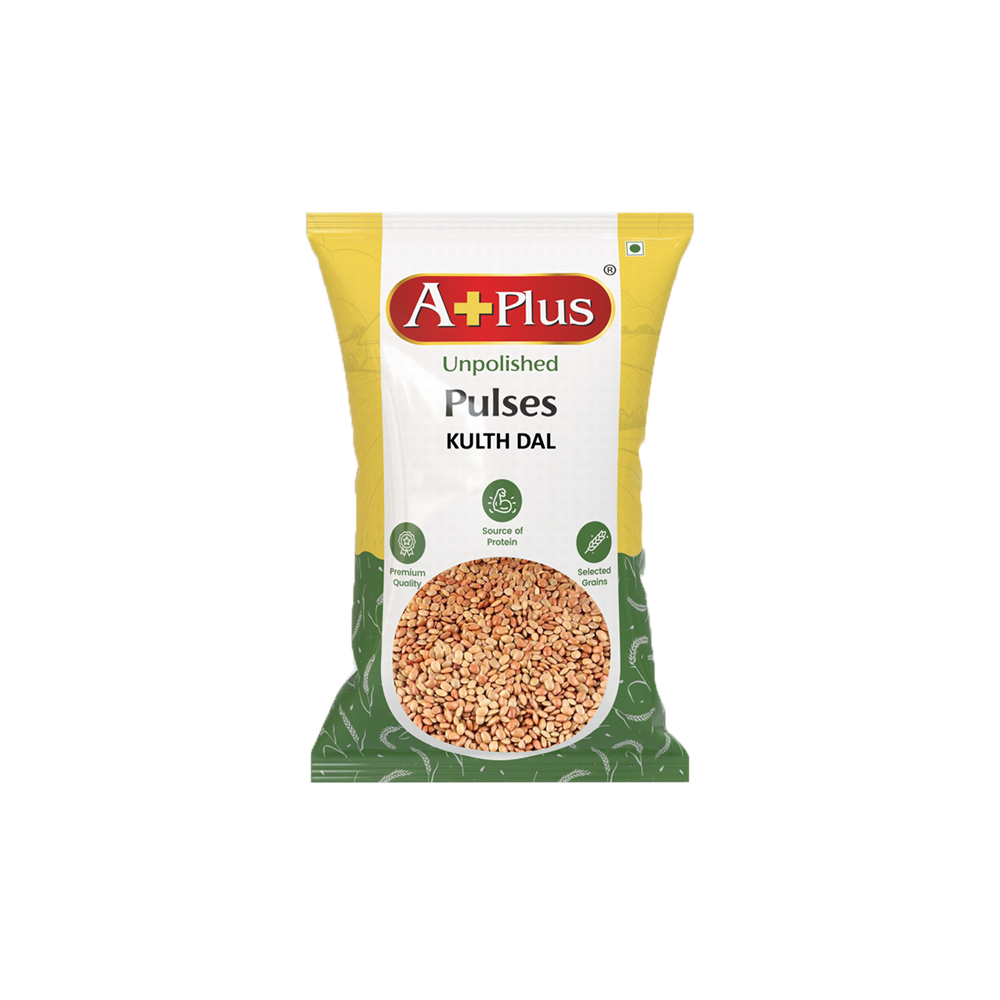
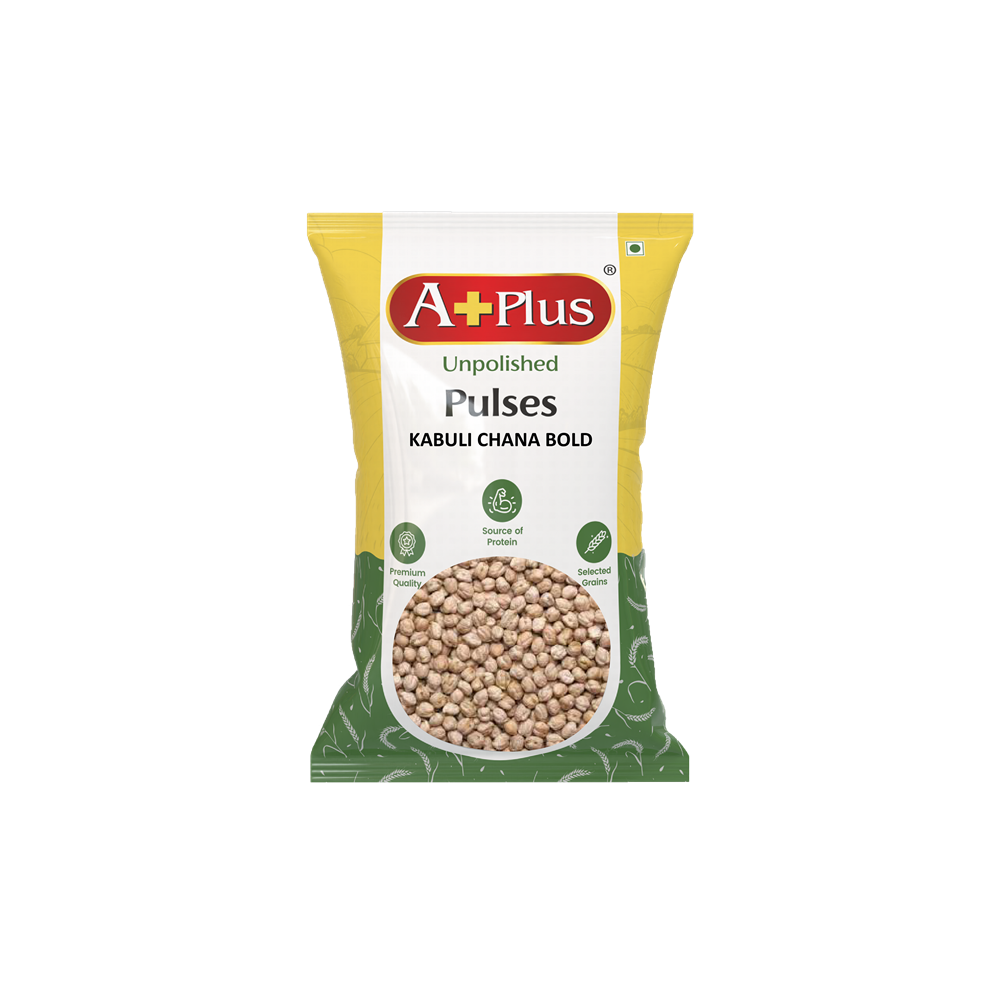
Every batch is milled and packed to global food-safety standards. Traceable, tested, dispatched from a certified facility in Punjab.
Optical-sorted for stones, dust and off-colour grain. No polish coats, no artificial glaze. What you see is what settles in the pot.
Four generations of the Arora family from Nawanshahr, Punjab. We source, mill and pack — no middlemen between the field and your kitchen.
Polishing is a post-mill process where dal is coated with water, oil, or leather to look brighter. Unpolished dal skips all of that — the grains stay matte, colour varies naturally, and there's no thin film of fat on the surface. It's how dal was sold before the 1980s and how it should still be sold.
Split dals like masoor dhuli and chana dal don't need soaking — a good rinse is enough. Whole pulses (sabut masoor, kabuli chana, rajma) benefit from 4-8 hours of soak, which shortens cook time and improves digestibility.
Airtight glass or food-grade steel container, kept away from the stove and sink. Unpolished dal absorbs moisture faster than polished, so humidity control matters. Stored well, it holds six to nine months without quality loss.
Premium pulses & lentils from Aplus Foods. Free shipping on orders above ₹999.
Browse the Aplus Store →